
Saturday, August 5, 2017
Onion Harvest
I had a great crop of onions this year. I planted onion plants from Dixondale Farms, Carrizo Springs, Texas on March 19, 2017 and harvested August 1st. I grew long day Copra, Walla Walla, Redwing and Alisa Craig varieties. The onions in the photo are Alisa Craig and weighed up to 1 1/2 pounds each!!!


Thursday, August 20, 2015

Sunday, April 19, 2015
Spring is here so my mason bees are busy. They are great early spring pollinators! They don't sting and they don't swarm off to the neighbors as long as they have plenty of flowers to work on. In the fall I put them in cold storage until it is time for them to go to work in the early spring as soon as blossoms appear. They do not produce honey but that's OK.

Monday, September 1, 2014

Wednesday, August 20, 2014
Sunday, August 3, 2014

Saturday, January 11, 2014
Red beets from my winter garden make a wonderful vegetable for any meal. I like mine pickled using the recipe in my cookbook Dad's Home Cooking; Traditional Recipes for Preparing Healthy Family Meals available on Amazon. These beets were planted August 8, 2013. Since the weather was below freezing in mid December, I covered the beets with a layer of tree leaves and secured them with row cover to keep the leaves from blowing off. They came through the freezing weather just fine!

Saturday, November 23, 2013
Yesterday I cooked 2 Rouge VIF D'Etampes (Cinderella) pumpkins for making pumpkin pies and pumpkin bread using recipes in my cookbook, Dad's Home Cooking; Traditional Recipes for Preparing Healthy Family Meals available on Amazon. The 2 pumpkins will make enough for 11 pies so I froze some of the puree for use later. I peel, chunk and cook the pumpkin in boiling water until fork tender. The pumpkin is then drained and run through a sieve to remove any pulp. Refrigerate the pumpkin puree for use within a day or two and freeze the remainder in 1 quart freezer bags. Each bag will provide the 3 5/8 cups of pumpkin needed for 2 pies. Enjoy!


Wednesday, November 13, 2013
I cooked some rutabagas pulled from my garden yesterday. They are open-pollinated Marian variety. Rutabagas are a cross between turnip and cabbage. I planted them on August 8, 2013 for late fall harvest. They can be peeled and chunked then oven roasted, boiled or used in dishes, soups or stews. They are also delicious raw. I boiled these in salted water and after draining, added butter before serving in lieu of potatoes. My cookbook, Dad's Home Cooking; Traditional Recipes for Preparing Healthy Family Meals has a rutabagas au gratin recipe!


Wednesday, October 23, 2013
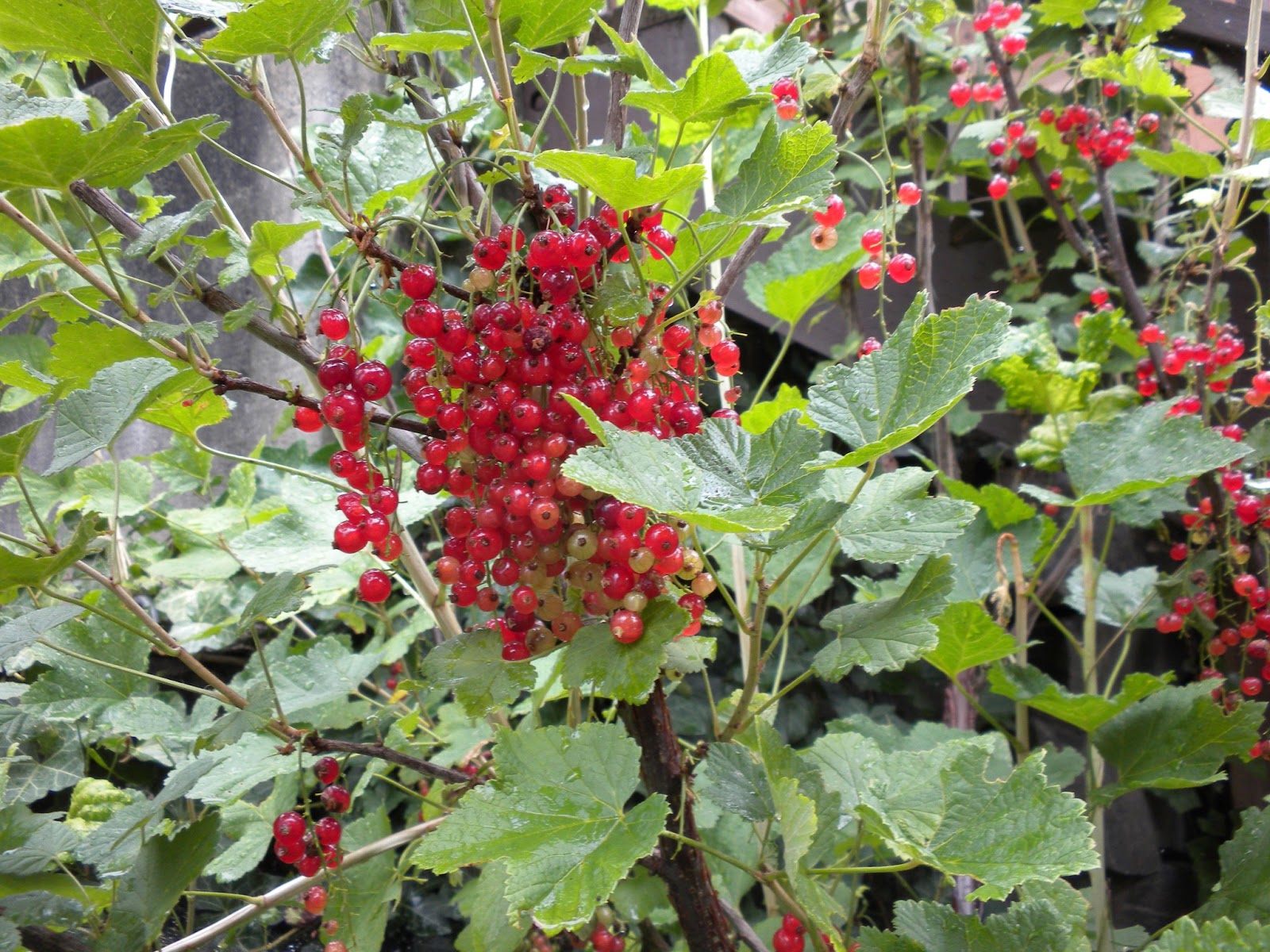
Jelly making time. I made a batch of currant jelly and a batch of aronia (black chokeberry) jelly yesterday using juices that I had frozen when picked in summer. See my June 21, 2013 and July 26, 2013 posts about harvesting currant and aronia berries from my garden. The juices were made by mashing and then cooking the berries for about 30 minutes. The juice and fine pulp was extracted using a food reamer. (I like to leave the fine pulp in my jelly rather than using juice that has all the fine pulp removed.)

I opted to can this jelly using the boiling water bath method but if you want, you could also freeze the jelly rather than canning it. For more information on canning see Pickling and Fermenting page 179 in my cookbook Dad's Home Cooking; Traditional Recipes for Preparing Healthy Family Meals available on Amazon.

Currant or Aronia Jelly
Makes 4 half pints. Prep time about 1 hour assuming juice has been thawed and jars washed.
4 cups currant or aronia juice
3 cups sugar
1 (1.75oz) box premium fruit pectin (I used Sure Jell)
1/2 teaspoon butter
1. Wash 4 half pint canning jars in the dishwasher.
2. Fill canner with enough water to cover an upright jelly jar plus 1 inch. Heat water on high.
3. While the canner water is coming to a boil, in a small bowl, mix 1/4 cup of the 3 cups of sugar with the fruit pectin. Set aside.
4. In a large stainless steel pot add juice, sugar/pectin mix and butter. Stir to dissolve. Bring to a boil over medium high heat stirring continuously until a hard rolling boil is achieved.
5. Continue stirring and boiling for 1 minute and remove from heat.
6. Pour jelly into canning jars to within 1/8 inch of the top.
7. Wash canning lids and rings in soapy water, rinse and install on jars.
8. When canner water is boiling, insert the jars into the boiling water using a jar lifter.
9. When the canner water returns to boiling, start the processing time. In my case since I am near sea level, I processed for 10 minutes. Increase processing time 1 minute per 1000 ft in elevation over 1000 feet.
10. Remove jars from canning water at the end of the processing time using a jar lifter and set on a
kitchen towel to cool. Make sure the lids seal by "popping" to a concave indent in the lid. If a jar
does not seal, refrigerate and use first.
Sunday, September 29, 2013
Fall is here and it's time to dry peppers. I picked several varieties from my garden; some red and some green and prepared them for drying. These will make dried pepper flakes for use in soups and other dishes.


"Big Bomb" peppers. They are about the size of a golf ball, very meaty and ripen early. These are kept in a gallon jar in the refrigerator. They are moderately hot and delicious!


These are dried cayenne peppers that I dried last week.They are now ready to grind to make cayenne pepper.

Last month I pickled my

Sunday, August 18, 2013


Friday, July 26, 2013
Aronia
Today I picked my Aronia (Black Chokeberry) berries and made juice and put it in the freezer for juice or jelly. Aronia is native to the Eastern US but the best varieties were bred in Europe where it is very popular. The fruit is very tart and it is used in juices, jellies and wine. It is high in flavonoid/anti-oxidant content, vitamins and minerals. I like that it is self fertile, very easy to grow, disease resistant and does not need spraying for insects. It grows 5 to 6 feet tall and has dark green leaves resembling cherries. In the fall the leaves turn red! Next year (It will be 3 years old.) I hope to get enough to make some wine.


Saturday, July 13, 2013
First Bell Pepper From My Garden!
This is Northstar, an early hybrid. The seed was started on March 28 and set out in the garden on June 1 so from seed start to maturity was 106 days and from set out to maturity was 42 days. I used this pepper in a shrimp salad along with red leaf lettuce and Walla Walla sweet onion from the garden. Yummie!


Tuesday, July 2, 2013
Blueberry Picking Time!
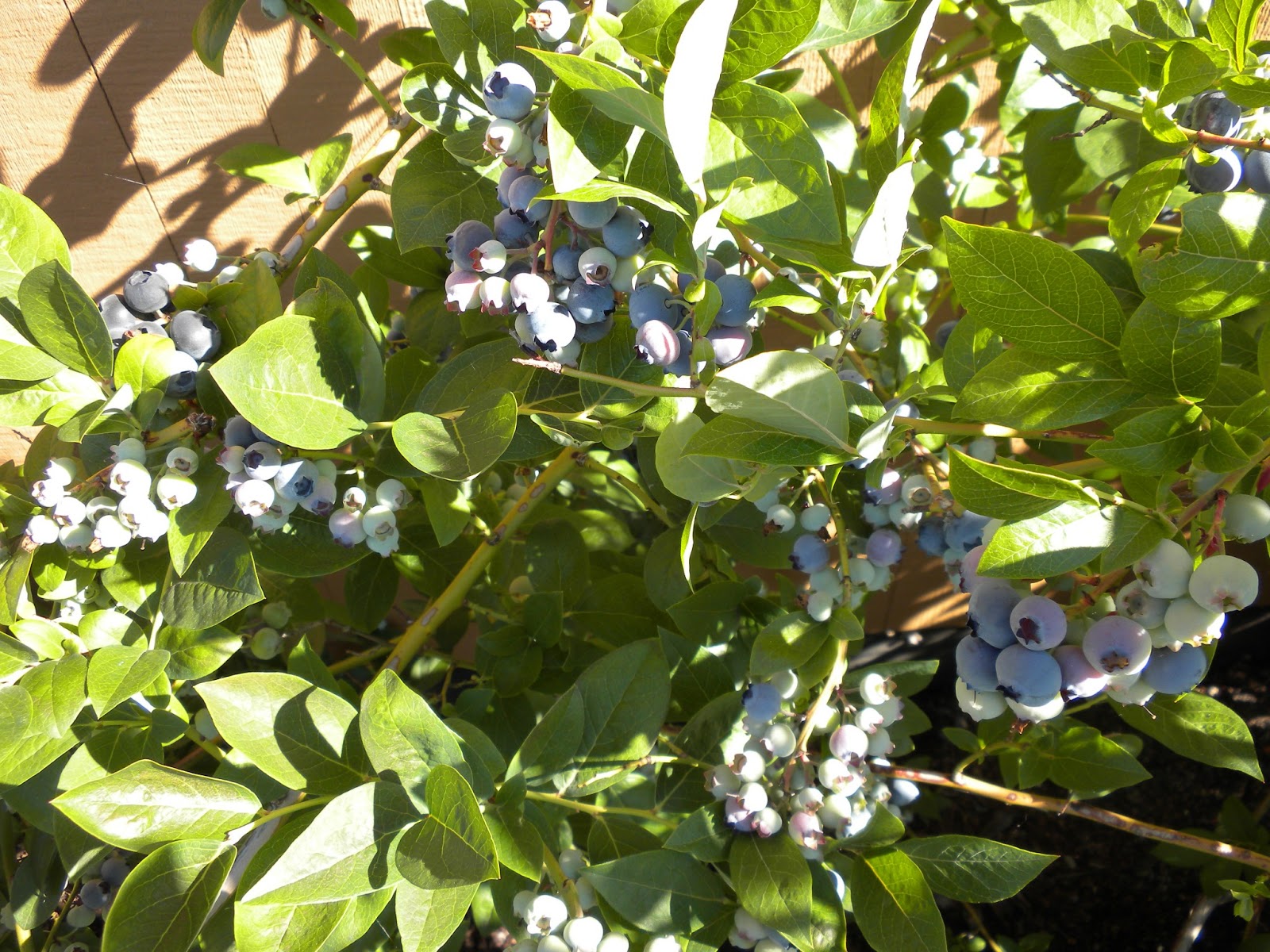
My blueberries ripened early this year! I will be picking weekly for the next 2 months. Most are frozen for use during the winter months.

Friday, June 21, 2013
Tuesday, May 28, 2013
Time for a garden update. I picked the first crop of broccoli to freeze today. The kohlrabi also have been ready to pick. I enjoy kohlrabi raw as a snack. These were started from seed on March 2, 2013. (See my March 2, 2013 post.) and transplanted out in the garden on March 27, 2013. (See my March 28, 2013 post.) The kohlrabi hybrid variety is Kolibri and the broccoli hybrid variety is Packman.


I am also harvesting spinach which has grown well in the cool weather we have been having. This hybrid variety is Olympia.

Monday, April 29, 2013
Time to transplant my 48 pepper plants to larger pots. This seed was started on March 28, 2013. (See my March 28, 2013 post.) Today I transplanted them into 5 inch peat pots. These will be kept outside during the warmer days until ready to set out in the garden. I like using the peat pots since they can be directly set in the garden with no transplant shock.


The shelling peas are up and doing well. These were planted on April 2, 2013. The pea weavil damage has been minimal so far!

One of the herbs I grow is rosemary. The little blue flowers add interest this time of year.

Monday, April 15, 2013

Wednesday, April 3, 2013
Subscribe to:
Posts (Atom)